


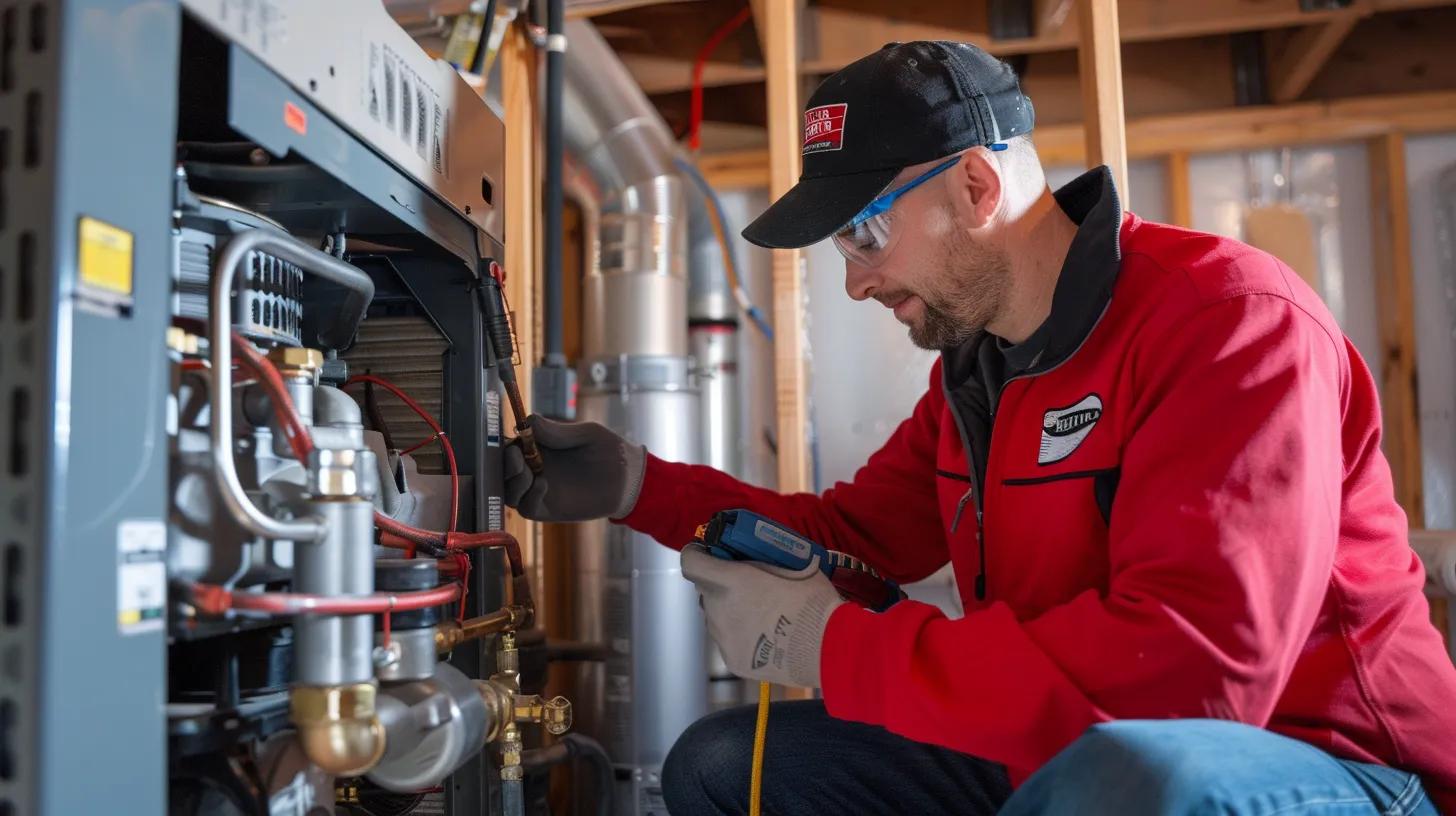
Furnace Installation Process: Step-by-Step Guide for Sacramento, Elk Grove, and Roseville Homeowners
Installing a furnace is a critical task that ensures your home remains warm and comfortable during the colder months. This comprehensive guide will walk you through the furnace installation process, highlighting essential steps and considerations. Homeowners in Sacramento, Elk Grove, and Roseville can benefit from understanding the intricacies of furnace installation, which not only enhances comfort but also ensures safety and efficiency. Many individuals may attempt to install a furnace themselves, but this can lead to significant risks and inefficiencies. By following this guide, you will learn how to prepare for installation, the detailed steps involved, and the importance of professional assistance. We will also discuss the costs associated with installation and how to maintain your furnace for longevity. Proper installation is an investment that pays dividends in energy savings, reduced repair costs, and consistent indoor comfort for years to come.
Why Is Professional Furnace Installation Essential?
Professional furnace installation is crucial for ensuring safety and efficiency in your home heating system. A properly installed furnace minimizes the risk of hazards such as gas leaks and electrical issues, which can arise from improper installation. Additionally, professional technicians are trained to comply with local codes and regulations, ensuring that your system operates safely and efficiently. This not only protects your home but also extends the lifespan of your furnace. Furthermore, professional installation often validates manufacturer warranties and ensures optimal system performance from day one.
Adherence to established guidelines is paramount, as highlighted by industry standards and regulations governing HVAC systems. These guidelines are put in place to protect consumers, ensure system longevity, and maintain the credibility of the HVAC industry.
HVAC Installation Codes & Standards
The heating, ventilation, and air conditioning (HVAC) system. This lack of code enforcement may result in a latent and. NFPA standards such as NFPA 72 address design, installation.
Regulations, Building Codes, Industry Standards: Compliance Documentation, 2009
What Are the Risks of DIY Furnace Installation?
Attempting to install a furnace yourself can lead to several risks, including: These potential dangers are not worth the perceived cost savings and can have severe consequences for your home and family.
• Gas Leaks: Improper connections can result in dangerous gas leaks, posing a serious safety hazard.
• Electrical Hazards: Incorrect wiring can lead to electrical fires or system malfunctions.
• Improper Sizing: A furnace that is not correctly sized for your home can lead to inefficient heating and increased energy costs.
These risks highlight the importance of hiring a professional for furnace installation. Certified technicians possess the specialized tools, knowledge, and experience required to perform the job safely and correctly.
Emphasizing the critical need for professional expertise, research consistently points to the inherent dangers of improper furnace installation. Beyond the immediate safety concerns, non-compliant installations can also lead to legal liabilities and void home insurance policies.
Furnace Installation Safety & Efficiency
showed risks of using such a system, as the wood furnace systems will continue to be installed even though they are not most efficient, the first priority should be to make them safe for.
… real-time measurements and a comparison of gas and wood furnaces in a dual-fuel heating system in order to evaluate the occupants' safety and indoor air …, N Szczepanik-Scislo, 2023
How Does Professional Installation Ensure Safety and Efficiency?
Professional installation ensures safety and efficiency through several key practices: These practices are backed by extensive training and continuous education that professionals undergo to stay current with industry best practices and technological advancements.
• Compliance with Local Codes: Technicians are knowledgeable about local building codes and regulations, ensuring that your installation meets all legal requirements.
• Expertise in System Calibration: Professionals have the training and experience to properly calibrate your furnace, optimizing its performance and energy efficiency.
• Thorough Safety Checks: After installation, professionals conduct comprehensive safety checks to ensure that the system operates safely and effectively.
How to Prepare for Your Furnace Installation Day
Preparing for your furnace installation day is essential to ensure a smooth process. Homeowners should take specific steps to facilitate the installation and make the technicians' job easier. Good preparation can prevent delays, reduce installation time, and potentially avoid additional charges.
How to Assess Your Heating Needs and Choose the Right Furnace Size?
Choosing the right furnace size is critical for efficient heating. Homeowners should consider the following factors: An incorrectly sized furnace will either overwork and wear out prematurely or struggle to adequately heat your home, leading to discomfort and higher energy bills.
• BTU Requirements: Calculate the British Thermal Units (BTUs) needed based on your home's square footage and climate zone.
• Home Square Footage: Measure the total area that needs heating to determine the appropriate furnace size.
• Insulation Considerations: Evaluate your home's insulation, as well-insulated homes may require less heating capacity.
What Steps Should You Take to Ready Your Home for Installation?
To prepare your home for furnace installation, follow these steps: These preparatory actions contribute significantly to a safer and more efficient installation process for both the homeowner and the technicians.
• Clear the Installation Area: Remove any furniture or obstacles from the installation site to provide easy access for technicians.
• Turn Off Utilities: Ensure that gas and electrical utilities are turned off before the installation begins, but only if instructed by the professionals.
• Provide Access for Technicians: Make sure that technicians can easily access the installation area and any necessary utility connections.
What Are the Detailed Steps in the Furnace Installation Process?
The furnace installation process involves several detailed steps to ensure a successful setup. Understanding these steps can help homeowners appreciate the complexity of the task. Each stage is crucial for the overall integrity, safety, and long-term performance of the new heating system.
How Is the Old Furnace Safely Removed?
Removing the old furnace involves careful procedures to ensure safety: Old units can contain residual fuel, hazardous materials, or sharp components, necessitating professional handling and disposal.
• Disconnecting Utilities: Technicians will safely disconnect gas and electrical lines before removal.
• Proper Disposal Methods: The old unit must be disposed of according to local regulations to prevent environmental harm.
What Is Involved in Site Preparation and New Unit Positioning?
Site preparation is crucial for the new furnace installation: Proper site preparation prevents future operational issues, ensures optimal performance, and extends the lifespan of the new furnace.
• Cleaning the Area: Technicians will clean the installation area to ensure a safe working environment.
• Leveling the Ground or Platform: The ground or platform must be leveled to support the new unit properly.
• Ensuring Clearances: Adequate space around the furnace is necessary for ventilation, maintenance, and compliance with manufacturer specifications.
How Are Ductwork and Venting Systems Connected?
Connecting ductwork and venting systems is a vital step in the installation process: Airtight connections are essential not only for preventing energy loss but also for ensuring healthy indoor air quality by preventing the escape of combustion byproducts.
• Sealing Ductwork: Proper sealing prevents air leaks, ensuring efficient heating.
• Proper Exhaust for Combustion Gases: Venting systems must be correctly installed to safely expel combustion gases outside, following manufacturer guidelines and local codes.
What Are the Procedures for Gas and Electrical Connections?
Gas and electrical connections must be handled with care: These connections are arguably the most critical for safety, requiring specialized expertise to prevent dangerous gas leaks or electrical faults.
• Safety Checks: Technicians perform safety checks to ensure all connections are secure and leak-free.
• Local Code Compliance: All connections must comply with local building codes and utility company requirements to ensure safety.
How Is the Thermostat Installed and System Calibrated?
The thermostat plays a crucial role in controlling the furnace: Proper calibration ensures the thermostat accurately reflects and maintains the desired indoor temperature, maximizing both comfort and energy efficiency.
• Wiring Connections: Technicians will connect the thermostat to the furnace, ensuring proper communication.
• Testing Communication: After installation, the system is tested to ensure the thermostat accurately controls the furnace.
What Tests and Safety Checks Are Performed Post-Installation?
After installation, several tests and safety checks are conducted: These final, non-negotiable checks confirm the system's readiness for safe, efficient, and reliable operation before the technicians depart.
• Leak Detection: Technicians check for gas leaks using appropriate detection methods to ensure safety.
• Airflow Verification: Proper airflow is verified to ensure efficient heating and system performance.
• Carbon Monoxide Testing: Many professionals also perform carbon monoxide testing to ensure safe operation.
What Costs and Permits Are Associated with Furnace Installation in Sacramento?
Understanding the costs and permits associated with furnace installation is essential for homeowners. Various factors can influence the overall expense. Being well-informed helps homeowners budget effectively and avoid any unexpected charges or complications.
What Factors Influence Furnace Installation Costs?
Several factors can affect the cost of furnace installation: Obtaining multiple quotes from reputable contractors can help homeowners understand the market rates and make an informed decision that balances cost with quality.
• Furnace Type: Different types of furnaces (gas, electric, heat pump) have varying costs.
• Installation Complexity: More complex installations may require additional labor and materials, increasing costs.
• Furnace Efficiency Rating: Higher efficiency models typically cost more upfront but save energy over time.
• Local Labor Rates: Labor costs vary by region and can affect the total installation price.
Which Permits and Local Codes Must Be Complied With?
Homeowners must be aware of the necessary permits and local codes: Compliance protects homeowners from potential fines, ensures the safety of their property, and maintains its value.
Specifically for the Sacramento area, compliance with local air quality and building codes is a non-negotiable aspect of furnace installation. These local regulations are meticulously designed to protect both the environment and the well-being of the community.
Sacramento Furnace Installation Compliance
source with a boiler or process heater would have to meet the standards to comply with the transport mitigation planning and implementation requirements set forth in California Code of.
SACRAMENTO METROPOLITAN AIR QUALITY MANAGEMENT DISTRICT, 2006
• Mechanical Permits: Most installations require a mechanical permit to ensure compliance with safety standards.
• Local Building Codes: Familiarity with local building codes is essential to avoid fines and ensure safety.
• Inspection Requirements: Post-installation inspections by local authorities may be required to verify compliance.
How to Maintain Your Furnace After Installation for Longevity and Efficiency?
Proper maintenance is crucial for ensuring the longevity and efficiency of your furnace. Homeowners should adopt specific practices to keep their systems running smoothly. Consistent maintenance can significantly extend the lifespan of the unit, reduce the likelihood of costly breakdowns, and ensure optimal energy performance.
What Essential Maintenance Tasks Should Homeowners Perform?
Homeowners should perform the following essential maintenance tasks: These routine tasks are simple yet highly effective in preserving the furnace's performance and preventing premature wear and tear.
• Regular Filter Changes: Change filters every 1-3 months depending on usage and filter type to maintain airflow and efficiency.
• Annual Professional Inspections: Schedule annual inspections with a licensed HVAC professional to identify potential issues early.
• Keeping the Area Clear: Ensure that the area around the furnace is free of debris and obstructions.
How to Understand Your New Furnace System and Warranty?
Understanding your new furnace system and warranty is vital for effective maintenance: A thorough understanding empowers homeowners to troubleshoot minor issues, utilize system features effectively, and leverage their warranty benefits when professional repairs are needed.
• Warranty Coverage: Familiarize yourself with what is covered under the warranty, including parts and labor, to avoid unexpected costs.
• System Features: Learn about the features of your new furnace to maximize its efficiency and performance.
Why Choose Bishop's HVAC for Furnace Installation in Sacramento, Elk Grove, and Roseville?
Choosing the right service provider for furnace installation can significantly impact the overall experience and outcome. Bishop's HVAC stands out as a leading expert in the region. A reputable installer ensures peace of mind, long-term satisfaction, and reliable heating for your home.
What Unique Benefits Does Bishop's HVAC Offer?
Bishop's HVAC provides several unique benefits for homeowners: These benefits translate into a superior service experience, reliable heating solutions, and a trusted partnership for all your HVAC needs.
• Local Expertise: With extensive experience in the Sacramento, Elk Grove, and Roseville areas, Bishop's HVAC understands the specific needs of local homeowners.
• Comprehensive Services: The company offers a full range of HVAC services, ensuring that all aspects of your heating system are covered.
• Customer Satisfaction: Bishop's HVAC prioritizes customer satisfaction, providing reliable service and support.
How to Schedule Your Professional Furnace Installation Service?
Scheduling your furnace installation with Bishop's HVAC is straightforward: We encourage homeowners to take the first step towards a comfortable and efficient home by contacting us today to discuss their heating needs.
• Contact Methods: Homeowners can reach out via phone or email to discuss their needs.
• Service Availability: Bishop's HVAC offers flexible scheduling options to accommodate your timeline.
Conclusion
Understanding the furnace installation process is essential for homeowners in Sacramento, Elk Grove, and Roseville, as it ensures safety, efficiency, and long-term comfort. By opting for professional installation, you not only mitigate risks but also enhance the performance and lifespan of your heating system. Take the next step towards a warm and efficient home by scheduling your furnace installation with Bishop's HVAC today. Explore our services and experience the peace of mind that comes with expert care.
Customer Testimonials

Our experience with Bishop Mechanical has been awesome. They have quick response, and do a great job! Very friendly, and Professional!


